For women who are exhausted — but can't sleep

Your nervous system finally gets to stand down.

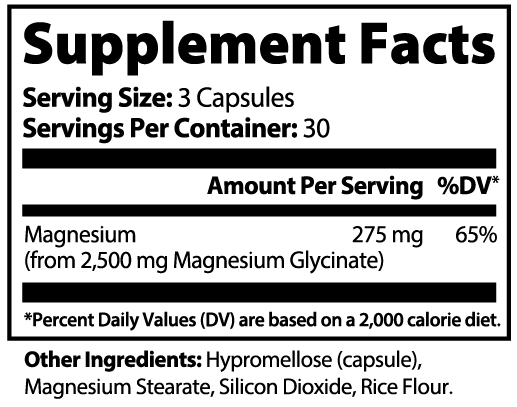
Magnesium glycinate designed for the exhausted mind that won't switch off at night — not a sedative, not a knockout. Just the calm your body already knows how to find.

why nothing has worked

This isn't a sleep problem. It's a nervous system problem.

You're exhausted by 9pm. But the moment you lie down, your brain turns on — replaying conversations, running tomorrow's list, surfacing worries that didn't exist five minutes ago.

Melatonin tells your brain it's nighttime. But if your nervous system is still activated, "nighttime" doesn't mean safe. The signal lands on a system that's still running.

OTC sleep aids knock you out — but they don't touch the underlying activation. So you wake up groggy, or wake at 3am anyway, or both.

What you need isn't something stronger. It's something that helps your body actually downshift.

  • A quieter mind at night

    Supports the relaxation pathways that help your brain transition from alert to calm — without forcing it.

  • Tension your body was holding — released

    The physical restlessness and low-grade activation that keeps you semi-awake often eases first.

  • No knockout required

    Magnesium glycinate isn't a sedative. It works with your body's natural processes — not around them.

The mechanism

Not a sleeping pill. A downshift signal.

Magnesium glycinate combines two things your nervous system uses to regulate itself at night.

Magnesium activates relaxation pathways — helping your body complete the transition from "threat mode" to "safe mode" that sleep requires.

Glycine is an amino acid your brain uses to reduce neural excitability — quieting the mental noise that keeps you awake after your body is already tired.

Together, they don't sedate you. They support the shift your body already knows how to make — it just needs the right conditions to make it.

Common questions

Everything you need to know

How is this different from other magnesium supplements?

Not all forms of magnesium are the same. Magnesium glycinate binds magnesium to glycine — an amino acid involved in relaxation and sleep-related pathways.

While different forms vary in absorption and tolerance, glycinate is commonly chosen for its gentle profile and suitability for evening use.

Is this right for me if I've tried magnesium before and it didn't work?

Possibly. The form of magnesium matters significantly — oxide and citrate forms are commonly found in cheaper supplements and aren't well-suited for sleep support. Glycinate is specifically chosen for its calming profile and tolerability. Timing also matters: some women find magnesium glycinate works better taken earlier in the evening rather than right before bed. If you've tried a different form, or taken it at the wrong time, it's worth a proper trial of glycinate.

Will it make me groggy in the morning?

Magnesium glycinate is not a sedative. It supports your body’s natural sleep processes rather than forcing sleep. Most people do not experience next-morning grogginess, though individual responses can vary.

Can I take this every night?

Magnesium is an essential mineral involved in hundreds of processes in the body. At typical supplemental doses, it’s generally well tolerated and suitable for regular use. If you have underlying health conditions or take medications, it’s always best to check with your healthcare provider.

What if it doesn't work for me?

Sleep is complex, and magnesium tends to work best for certain types of sleep issues — especially stress-related or mild disturbances. If it’s not the right fit for you, we offer a 30-day money-back guarantee, no questions asked.

You've done enough fighting.

Give your nervous system what it's been missing — and see what a morning feels like when sleep actually did its job.

30-day guarantee